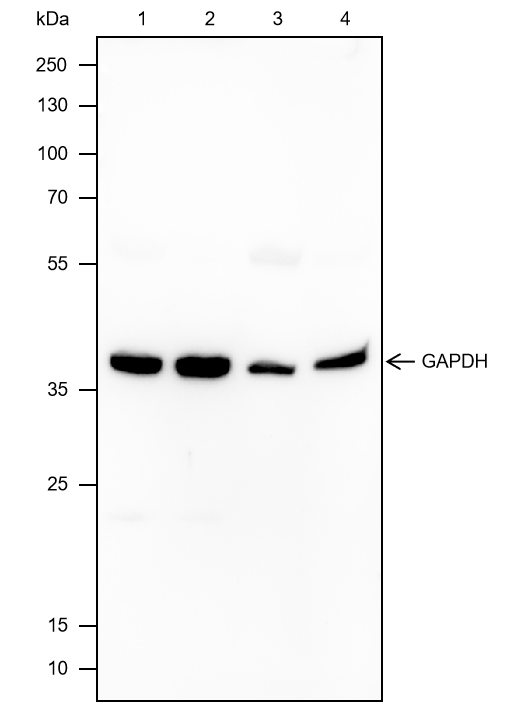



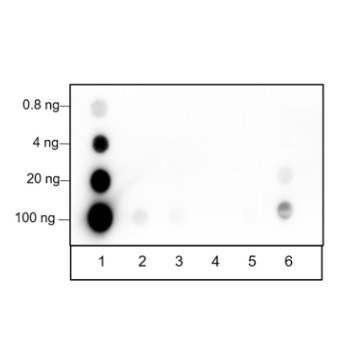
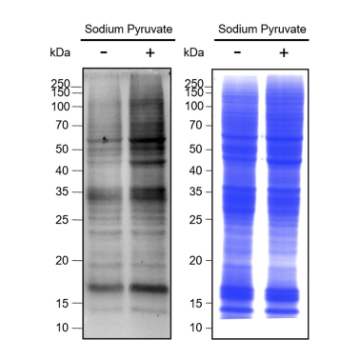
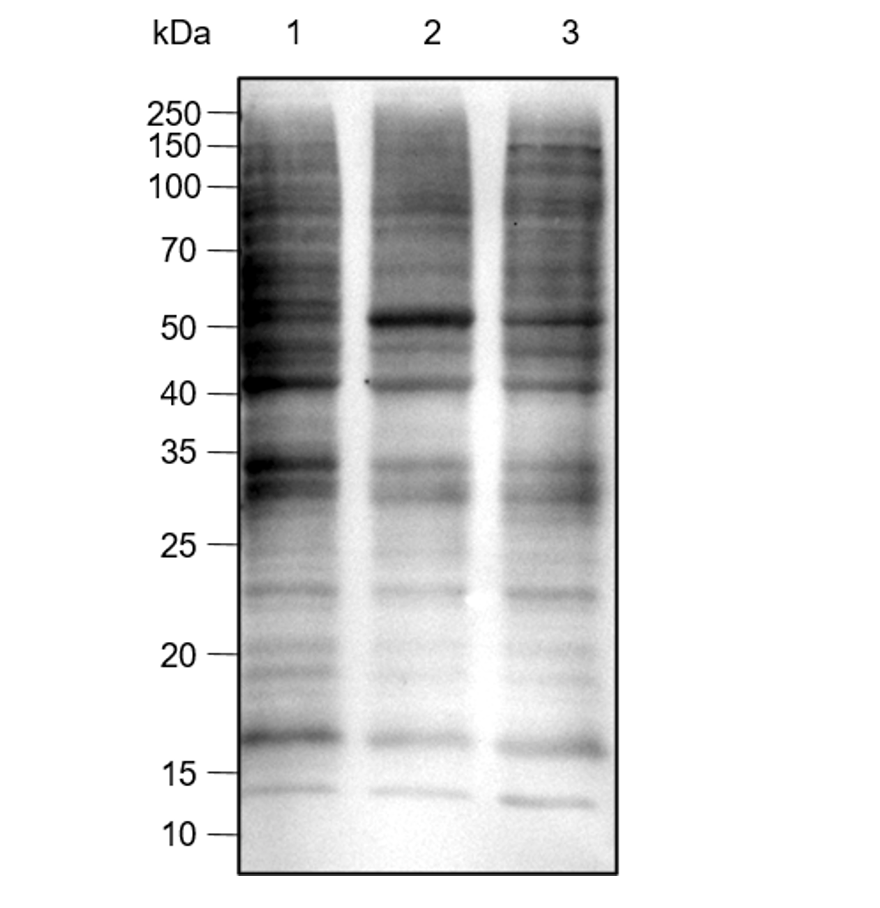
Background
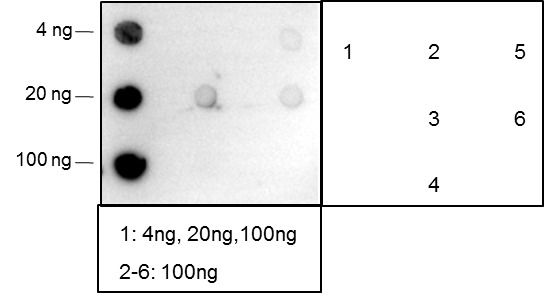
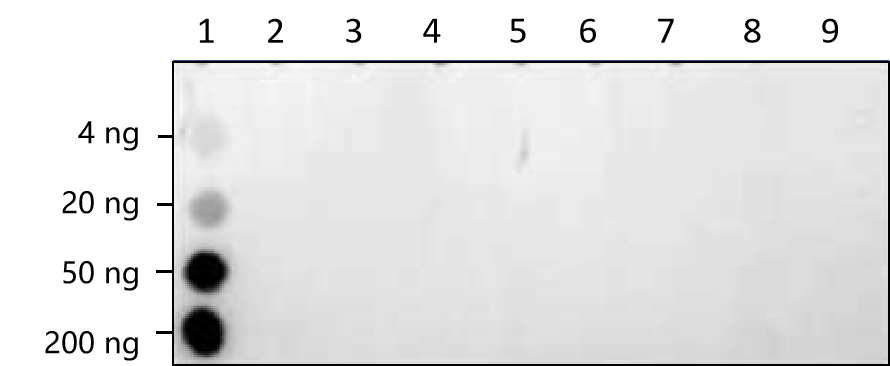
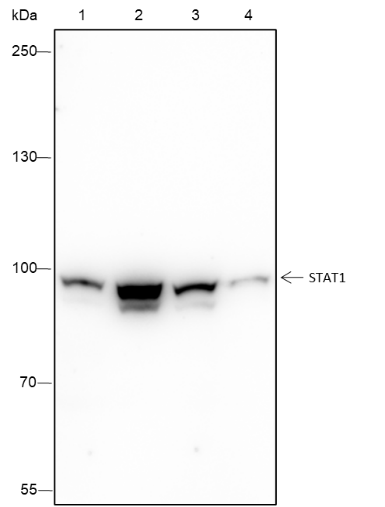
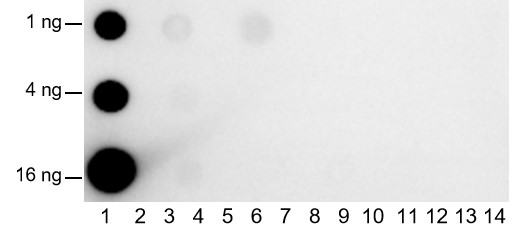
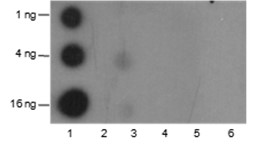
Lysine pyruvylation is a groundbreaking protein post-translational modification (PTM) recently described in Cell (Zuo Y et al, Cell 2026). Utilizing pyruvate as its donor molecule, this PTM acts as a direct link between macronutrient metabolism and cellular function. Intracellular pyruvylation levels are highly sensitive to metabolic shifts in the microenvironment, including high-glucose conditions and the Warburg effect. Functionally, pyruvylation of core proteins like signal transducer and activator of transcription 1 (STAT1) directly suppresses antiviral immunity, and it is emerging as a crucial regulator in tumor immune evasion, metabolic disorders, and severe infections. The Anti-Pyruvyllysine Rabbit mAb recognizes pyruvylated lysine residues across a broad range of protein targets. It can be used to detect global lysine pyruvylation and to investigate the relationships among cellular metabolism, protein modification, and biological function.
Cellular location
/