



Interested in our services
Contact our experts to provide further information




Tyrosine phosphorylation(pY) refers to phosphorylation occurring on tyrosine residues. It plays critical roles in multiple biological and pathological processes, including cell signaling, cell proliferation, differentiation, and disease progression, such as cancer and neurodegenerative diseases.
Tyrosine phosphorylation also holds strong clinical relevance in drug development. Currently, more than 60% of FDA-approved small-molecule kinase inhibitors target tyrosine kinases. However, compared with the more common serine/threonine phosphorylation, tyrosine phosphorylation occurs at relatively low abundance. In addition, its unique molecular features make conventional omics workflows less effective in achieving deep site coverage, limiting comprehensive investigation of tyrosine phosphorylation events.
To better meet the growing demand for tyrosine phosphorylation research, PTM BIO has introduced an upgraded Tyrosine phosphorylation proteomics, solution powered by five major technology innovations.
To further support functional and disease-mechanism studies of pY biology, PTM BIO has developed proprietary recombinant rabbit monoclonal antibodies for tyrosine phosphorylation enrichment, combined with next-generation high-resolution mass spectrometry platforms.
Based on extensive experience across thousands of phosphorylation proteomics projects, PTM BIO has further optimized the workflow and established a large-scale phosphotyrosine spectral library. This enables high-performance tyrosine phosphorylation proteomics services for studies in cancer mechanisms, therapeutic target screening, kinase analysis, immune-related diseases, host–pathogen immunity, and neurological disorders.
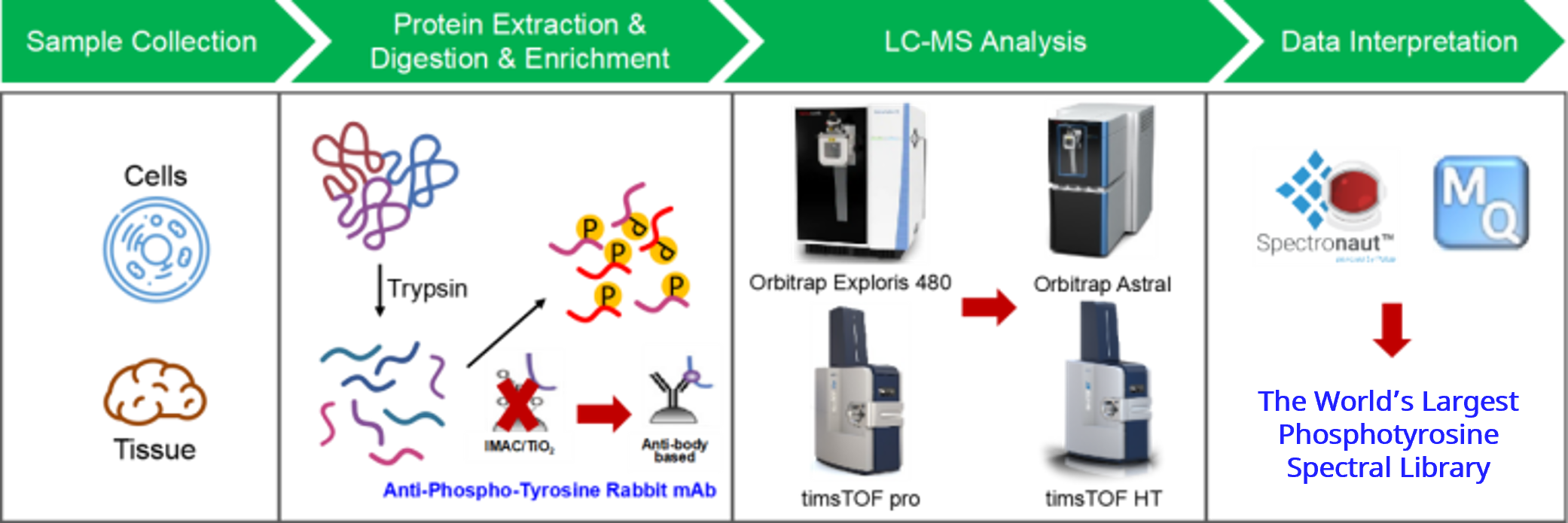
Figure 1. Schematic diagram of the tyrosine phosphorylation study.
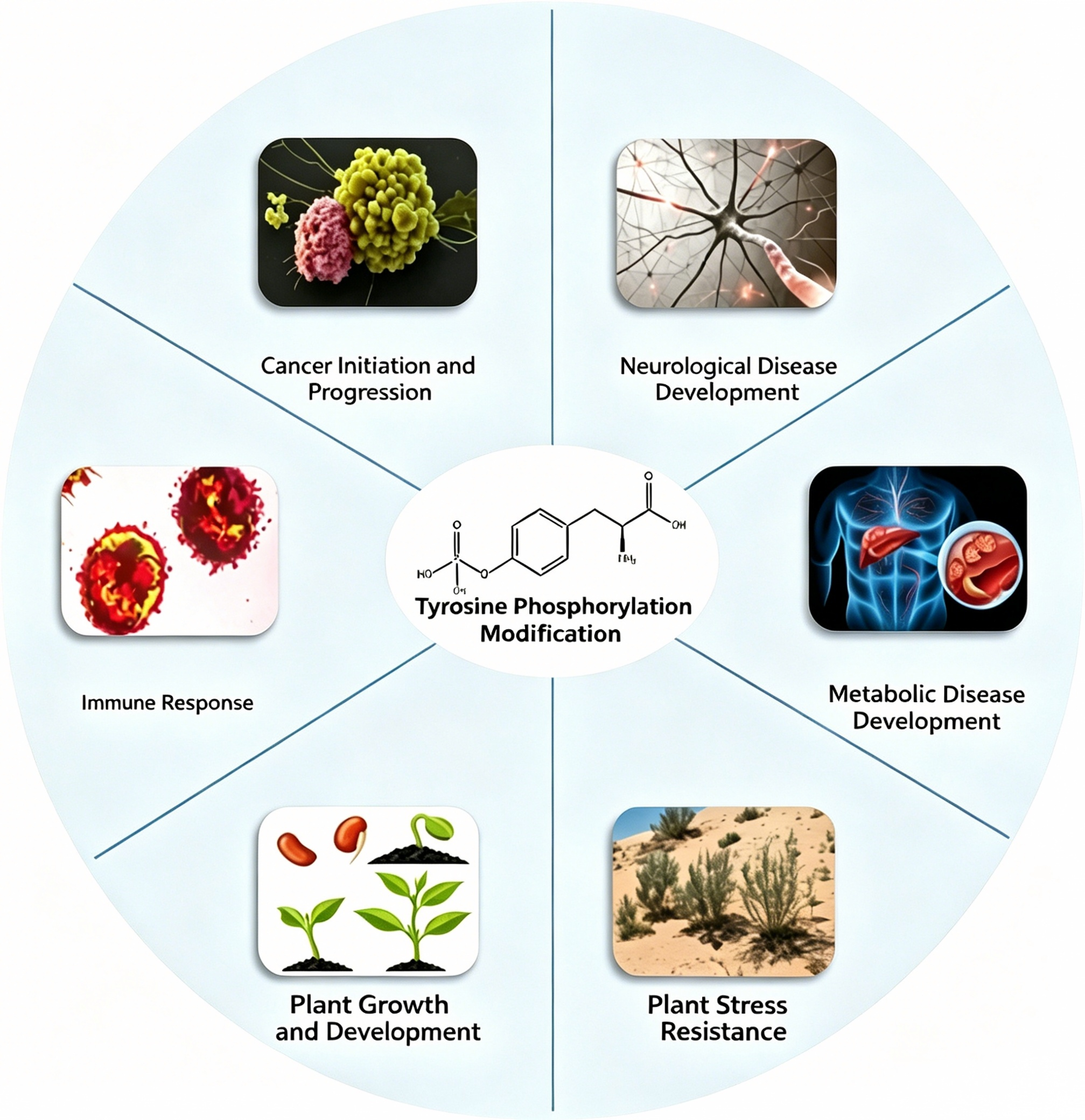
Ideal for studies of cancer mechanisms, drug target discovery, kinase signaling, immune diseases, host–pathogen interactions, and neurological disorders.
1.Sofi G. Julien, et al. 2011, Inside the human cancer tyrosine phosphatome. Nat Rev Cancer.
2.Hochhaus A, et al. 2011, Impact of BCR-ABL mutations on patients with chronic myeloid leukemia. Cell Cycle.
3.Cohen P, et al. 2021, Kinase drug discovery 20 years after imatinib: progress and future directions. Nat Rev Drug Discov.
4.Lundby A, et al. 2019, Oncogenic Mutations Rewire Signaling Pathways by Switching Protein Recruitment to Phosphotyrosine Sites. Cell.
5.Zhang Q, et al. 2019, ALK phosphorylates SMAD4 on tyrosine to disable TGF-β tumour suppressor functions. Nat Cell Biol.
6.Dittmann A, et al. 2019, High-fat diet in a mouse insulin-resistant model induces widespread rewiring of the phosphotyrosine signaling network. Mol Syst Biol.
7.Liu S, et al. 2017, Lck/Hck/Fgr-Mediated Tyrosine Phosphorylation Negatively Regulates TBK1 to Restrain Innate Antiviral Responses. Cell Host Microbe.
8.Shi X, et al. 2021, Disrupting phosphorylation of Tyr-1070 at GluN2B selectively produces resilience to depression-like behaviors. Cell Rep.
Interested in our services
Contact our experts to provide further information